
Table of Contents
- Introduction
- Is Sourdough Bread Safe for Dogs?
- Potential Risks of Sourdough Bread
- Symptoms to Watch For in Your Dog
- What to Do if Your Dog Eats Sourdough Bread
- Healthier Alternatives for Treating Your Dog
- Conclusion
Introduction
Dogs are curious creatures with an insatiable appetite for finding (and tasting) whatever their humans might leave within reach including bread. For many pet owners, the question arises during meal prep or snack time: Can dogs eat sourdough bread?
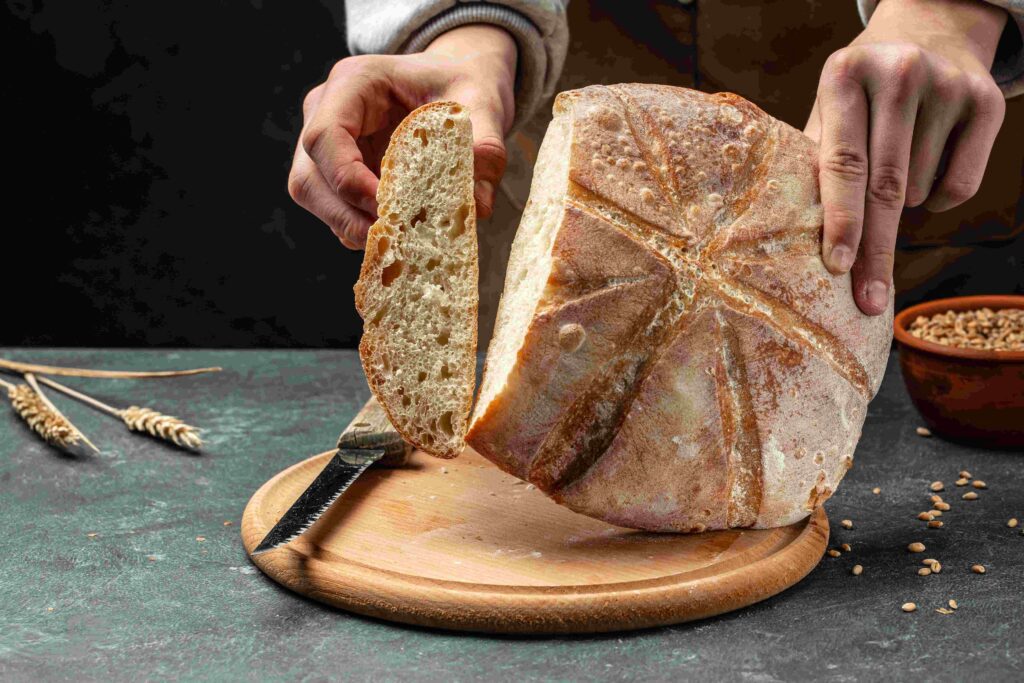
Understanding what’s safe for dogs to eat is an essential part of being a responsible pet owner. While a small bite of sourdough might not seem harmful, there’s more to the story when it comes to this artisanal favorite. This blog will explore the process of making sourdough, why it poses risks to dogs, and how to keep your furry friend safe.
By the end of this post, you’ll have a clear answer to the sourdough dilemma and actionable tips for ensuring your dog gets only the safest snacks.
Understanding Sourdough Bread
Sourdough bread is known for its tangy flavor, rustic texture, and simple ingredient list. Its unique taste comes from the fermentation of flour and water with naturally occurring yeast and bacteria. Though delicious for us humans, the process that makes sourdough special creates potential issues for your canine companion.
Whether it’s a bakery loaf or homemade, sourdough might seem harmless. After all, it’s just bread, right? However, understanding its composition and how it interacts with a dog’s digestive system is crucial.
The Process of Making Sourdough Bread
The sourdough process is unique because it relies on a starter instead of commercial yeast. A sourdough starter is essentially a mix of flour and water exposed to the environment, where it captures wild yeast and beneficial bacteria. These microorganisms ferment the mixture, producing carbon dioxide and alcohol, which give sourdough its airy texture and signature tangy flavor.
Here’s why this matters for dogs:
- Fermentation: The fermentation process creates a small amount of alcohol and gases, neither of which sit well with a canine stomach.
- Unbaked Dough Risks: If a dog eats raw sourdough dough, it can continue to ferment in their stomach, leading to potentially serious complications like alcohol poisoning or bloating.
The nuances in sourdough that make it a choice bread for humans (natural yeast and fermentation) are precisely what can cause issues for dogs.
Must Read Out Also:
The Risks of Sourdough Bread for Dogs
If your dog sneaks a morsel of baked sourdough bread off the counter, you might be relieved to know it’s unlikely to result in a veterinary emergency. However, there are risks you should be aware of, especially when consumption is more than just a nibble.
Bloating and Indigestion
Bread, in general, can be difficult for dogs to digest. Sourdough bread expands slightly when eaten and can cause bloating or discomfort. For smaller breeds, even a single slice might be too much for their stomach to handle.
Risk of Alcohol Poisoning
Raw sourdough dough is far more dangerous than baked sourdough bread. During the fermentation process, sourdough produces alcohol. If ingested raw, the dough can continue fermenting in a dog’s stomach, causing alcohol poisoning. Symptoms of alcohol poisoning in dogs include:
- Lethargy or lack of coordination
- Vomiting
- Low body temperature
- Rapid or irregular breathing
Seek immediate veterinary care if your dog consumes raw sourdough.
Weight Gain
Although less dangerous than poisoning, regular consumption of sourdough bread or other carbohydrate-heavy foods can lead to obesity in dogs. Extra weight puts stress on joints, heart, and other vital systems, lowering your dog’s quality of life.
Is Sourdough Bread Safe for Dogs?
Here’s the definitive answer: Dogs can technically consume sourdough bread in very small doses without immediate harm, but it’s not something you should encourage.
Think of it like this: Feeding your dog sourdough bread is like offering them junk food. It doesn’t add any nutritional value to their diet and can cause complications, especially in larger quantities. Even a small piece of soft bread could trigger sensitivities or mild bloating in certain dogs.
- Stick to dog-specific snacks designed for their safety and nutritional needs.
- Look for homemade dog treat recipes using dog-friendly ingredients like peanut butter, oats, and pumpkin.
- Avoid giving dogs human food, even if they show interest or beg.
- Prioritize your dog’s health by choosing high-quality dog food and avoiding table scraps.
- Maintain a consistent feeding routine to support their well-being.
Why Is Sourdough Bread Bad for Dogs?
What makes sourdough particularly unsuitable for dogs comes down to these three factors:
- Fermentation Effects: The sourdough fermenting process and its byproducts (such as alcohol) can wreak havoc on your dog’s digestive system, especially if eaten raw or in dough form.
- Gastrointestinal Sensitivity: Dogs’ stomachs aren’t designed to process dense, yeasty bread. This can lead to bloating, constipation, or stomach upset.
- High Carbohydrates: The carbohydrates in bread offer no real nutritional benefit to dogs. Instead, they contribute to unnecessary calorie intake that may lead to weight gain.
Ultimately, sourdough isn’t poisonous (if baked), but it’s far from a recommended snack.
How To Prevent Dogs From Eating Sourdough Bread
Now that you know sourdough bread isn’t the best snack for dogs, here are some tips to prevent your pup from sneaking a nibble:
1. Store Bread Out of Reach
Keep sourdough bread in sealed containers or on high shelves where those adorable paws can’t reach.
2. Educate Everyone in the Household
Make sure family members understand the risks of feeding sourdough or other bread to your dog. Clear communication helps prevent accidental sharing.
3. Use Dog-Safe Treats Instead
Set aside treats that are safe and specifically formulated for dogs. Carrots, apples (without the seeds), or store-bought dog biscuits are great alternatives.
4. Monitor Trash Bins
Dogs are notorious for raiding trash bins. Always ensure your bin has a secure lid to eliminate the temptation of stale sourdough scraps.
Keep Your Pup Happy and Safe
When it comes to feeding dogs human food, it’s always better to err on the side of caution. While sourdough bread isn’t immediately toxic, why take the risk? Keep this delicious loaf to yourself and instead spoil your furry friend with safe, nutritional snacks.
Want more tips on how to keep your dog healthy and happy? Subscribe to our newsletter for weekly updates, advice, and fun facts made specifically for pet lovers.
In addition to subscribing to our newsletter, here are some other ways you can ensure your dog stays safe while enjoying treats:
- Research before feeding: Before giving your dog any human food, always do thorough research. Some foods may seem harmless but could actually be harmful or toxic to dogs. For example, grapes and raisins can cause kidney failure in dogs.
- Moderation is key: Treats should make up no more than 10% of your dog’s daily calorie intake. Overfeeding can lead to obesity and other health issues for your pup.
- Stick to dog-approved snacks: Instead of risking it with human food, stick to treats specifically made for dogs. These are formulated with their dietary needs in mind and are a safer option for your pup.
- Fresh fruits and vegetables can be great alternatives: If you want to give your dog some healthy snacks, consider offering them fresh fruits and vegetables. Some safe options include apples, carrots, blueberries, and green beans.
Conclusion
Keeping your dog’s diet healthy and balanced is one of the most impactful ways to ensure their long-term well-being. By understanding what foods to avoid, focusing on dog-safe treats, and incorporating fresh, nutritious options, you can provide your furry friend with the care they need to thrive. A mindful approach to feeding not only protects their health but also strengthens the bond you share. Always consult your veterinarian if you are unsure about introducing new foods, ensuring that every choice benefits your beloved pet.
Explore more
Here are some helpful resources to deepen your understanding of pet nutrition and ensure your dog’s diet is both safe and nourishing: